
School of Leadership, Afghanistan (SOLA): Building a School-Wide System to Promote Student Wellbeing
Key Priority Areas
Over the past three years, Boston Children’s partnership with SOLA has evolved from an initial, needs assessment guided by human-centered design principles to a five-year initiative anchored in the goal of establishing a developmentally responsive, trauma-informed, culturally affirming multi-tiered system of support to ensure and promote wellbeing across the SOLA community in Rwanda.The work reflects a community-based approach that brings mental health promotion, prevention, early intervention, and care into the settings where young people live and learn. Priorities include strengthening the caregiving workforce; developing tiered student supports and referral pathways; integrating wellbeing across academic and residential settings; and building data-driven systems for continuous learning and improvement.
Impact
The partnership is building SOLA’s capacity to sustain a comprehensive approach to student wellbeing rather than relying on stand-alone programs or services. Findings from the initial needs assessment informed a five-year strategy that moves deliberately from co-design and piloting to school-wide implementation, evaluation, and long-term sustainability. This long-term partnership is strengthening the people, structures, and systems needed to promote wellbeing for all students, recognize emerging needs, coordinate support across school settings, and connect students to specialized services when needed.
Global Mental Health Context
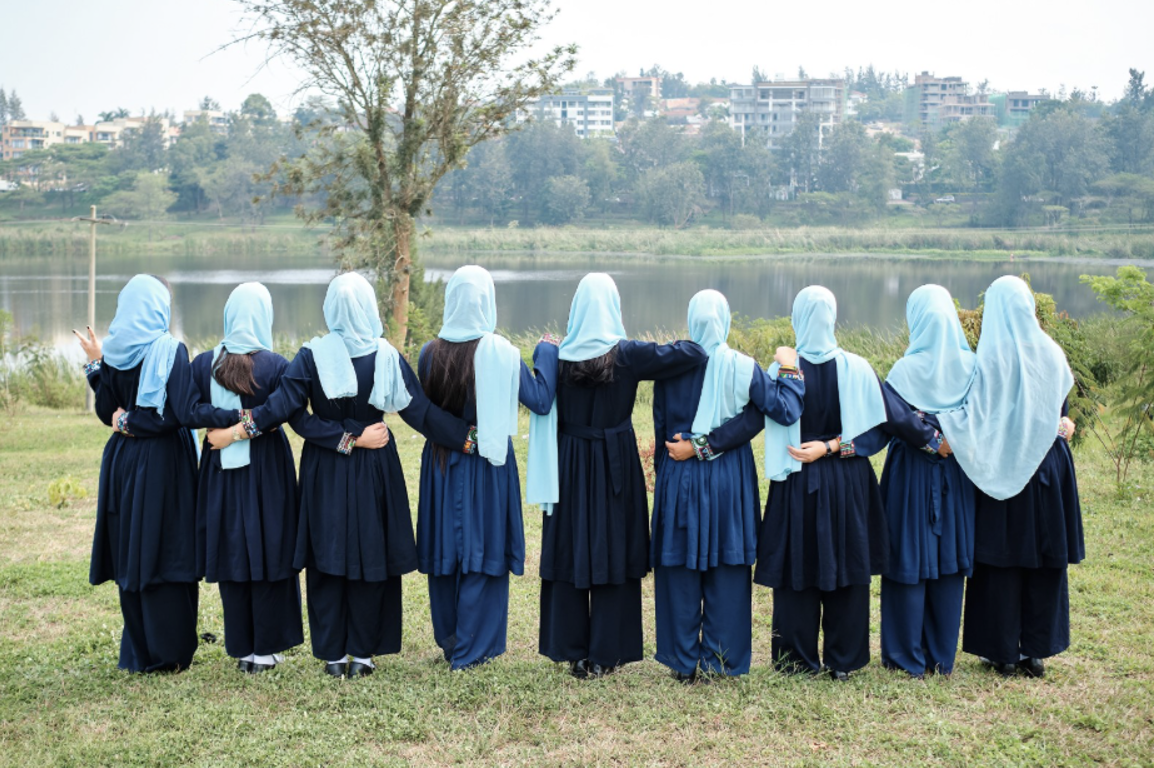
SOLA provides a unique opportunity to demonstrate a global mental health approach within a humanitarian context. The school serves Afghan girls whose lives and educational trajectories have been shaped not only by displacement, but also by its secondary effects, including separation from family and community, disruption to education, loss of familiar cultural and social environments, and the ongoing uncertainty associated with displacement.
The partnership reflects the Boston Children’s Hospital Department of Psychiatry and Behavioral Sciences’ commitment to whole-child and equitable care by recognizing that responding to these experiences requires more than treating symptoms of trauma. It requires strengthening the environments, relationships, and systems surrounding young people while attending to development, culture, identity, family connection, learning, and belonging. For this reason, the approach is being developed with students, Afghan staff, families, and school leadership and embedded across academic and residential life, strengthening the capacity of the people and systems already surrounding students to promote wellbeing, respond to emerging needs, and connect students to more specialized care when needed.
Funding Opportunity
The next phase creates an opportunity to strengthen school-community partnerships by expanding the capacity of local organizations to provide specialized pediatric care. Additional investment could support sustainable referral pathways from SOLA’s educational campus to community healthcare providers, training and capacity building for local practitioners, medical education fellowships to enhance technical expertise, and stronger coordination between school-based supports and specialized medical and mental health care. Funding would also support continued implementation and evaluation of SOLA’s five-year strategy, with the longer-term goal of strengthening local capacity and generating practical knowledge about how culturally affirming systems of care can be developed and sustained for children and adolescents affected by humanitarian crises.