
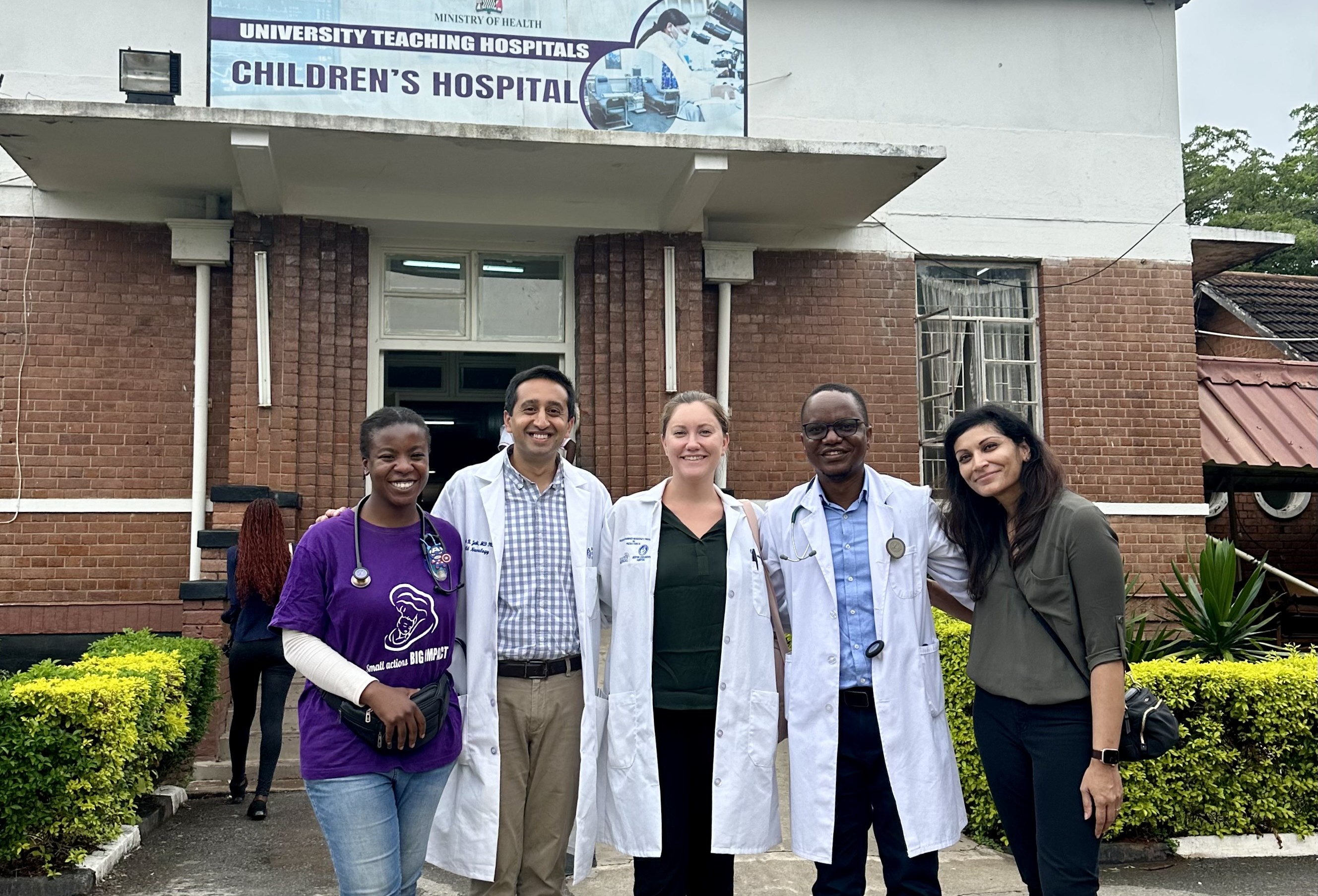
Improving Pediatric Neurology Care in Zambia
Epilepsy affects over 50 million people worldwide, with over 80% residing in developing countries, where treatment gaps exceed 75%. Zambia and Rwanda, like many resource-constrained nations, face severe challenges in managing epilepsy due to barriers such as limited access to care, persistent stigma, inadequate medication availability, and insufficient training for first-line healthcare providers.
Since the inception of our initiatives in 2014 in Zambia and 2016 in Rwanda, significant progress has been made. Zambia initially had only one expatriate child neurologist, while Rwanda had three neurologists without pediatric specialization. Our collaborative efforts have resulted in training Zambia’s first two child neurologists, over 30 clinical officers, and the implementation of community health worker programs. Our ongoing research and educational initiatives aim to address these critical gaps and advance pediatric neurology in these regions.
Our program activities and achievements include:
1. Capacity Building in Pediatric Neurology
- Training of Neurologists and Clinical Officers: We have successfully trained Zambia’s first three child neurologists and numerous clinical officers - the primary health force in the country – on core topics in pediatric neurology. This training has significantly bolstered local expertise and capacity in pediatric neurology.
- Community Health Worker Program: The program supports 60 children, ensuring they receive necessary medications, education, and community inclusion. This initiative also facilitates better linkage to the healthcare system through advocacy and consistent medication supplies, supported by donations.
- Ketogenic Diet Implementation: With the help of BCH-based experts, we introduced ketogenic diets as a treatment option in Zambia. We trained local providers and nutritionists and continue to offer remote support to ensure effective implementation.
2. Clinical Research and Support
- Research on Epilepsy: We collaborate with Zambian colleagues on research focusing on the early identification and management of epilepsy. Notably, we are working on developing and validating a clinical scale for diagnosing nonconvulsive status epilepticus, a significant challenge in this setting.
- Pediatric EEG Services: We support the development of pediatric EEG services by providing necessary materials and remote interpretation of EEGs, helping to establish this critical diagnostic capability at the specialist level.
- Predictive Factors Study: We are conducting research to identify predictive factors for epilepsy following cerebral malaria in Eastern Zambia. This study aims to enhance resource allocation and build pediatric neurology capacity in rural regions.
3. Curriculum Development and Educational Support
- Pediatric Neurology Curriculum: During my recent visit to Lusaka, Zambia, I collaborated with Dr. Archana Patel and Dr. Nfwama Kawatu to develop a pediatric neurology curriculum. This curriculum will support the training of pediatric registrars and incoming neurology fellows, addressing the need for structured educational resources.
Moving forward, in partnership with our Zambian colleagues, we will:
* Finalize and implement the pediatric neurology curriculum for Zambian pediatric registrars and neurology fellows. Explore ways to make these educational resources replicable for other countries.
* Maintain and strengthen partnerships with Zambian colleagues and explore further research and training opportunities.
* Develop strategies to scale successful programs and practices to other regions facing similar challenges, ensuring broader impact and sustainability.
Funding for this collaboration has meaningfully impacted the lives of pediatric neurology patients in Zambia. Ongoing support of this partnership will allow for longitudinal collaboration, expansion to regions with similar needs, and expansion of the child neurology workforce.


